
The room rate is the number everyone compares, but the meal plan is where a trip quietly gets expensive or quietly stays sane. I spend more time on this question with clients than on which villa to book, because on a private island you eat every single meal at the resort, and the plan you pick decides whether that’s a non-event or a $300 dinner, three times a day. The five plans below show up at resorts everywhere, but the same label can mean something completely different from one property to the next. Read on for everything you need to know before you book!
Bed & Breakfast
Breakfast only. Usually a buffet, sometimes à la carte, with coffee, tea, juice and water included. Every other meal is pay as you go.
This is the right plan in one situation: you can walk off the property and eat somewhere else. In a city like Cairo or Hanoi, B&B is all I book. In the Maldives, that island doesn’t exist, so I rarely book it there unless the resort’s à la carte pricing is reasonable and the client doesn’t drink. Keep in mind the Maldives adds 16% VAT and a 10% service charge to every bill, so a $25 cocktail on the menu is closer to $32 by the time it hits your folio. I broke all of that down in The Hidden Costs of a Maldives Trip.


Half Board
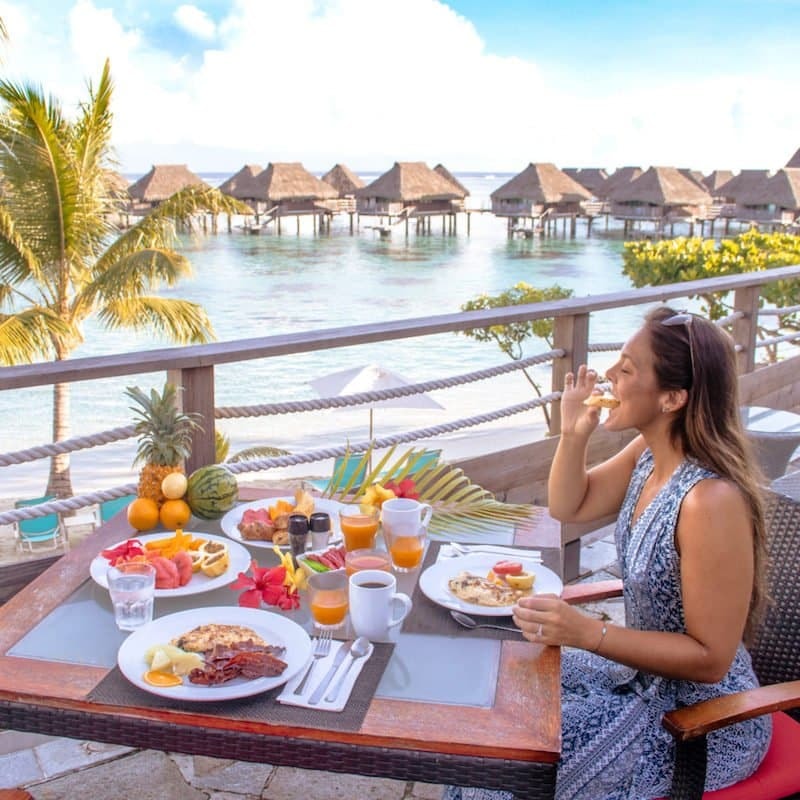
Breakfast and dinner. This one looks like the sensible middle option, and it’s also the plan with the most fine print. Dinner often comes with limits: a set three-course menu at certain restaurants (Patina, The Ritz-Carlton Maldives and JA Manafaru all run a version of this), or buffet only at the main restaurant. Want the full à la carte menu or the specialty restaurant? That’s a supplement. Drinks beyond water, tea and coffee are usually extra, and lunch is on you.
That said, I book half board a lot, and for a lot of people it’s the right call. If you don’t eat much, or you like a long breakfast and a snack by the pool, you’re not paying for lunches you’d skip anyway. It’s also one of the most common free upgrades: plenty of resorts bump a B&B booking to half board through a promotion or an advisor perk, so you’re getting dinner covered without feeling tied to the main restaurant. The best versions let you move around. Patina’s half board is a dine-around across several of its restaurants, so you’re not stuck with the same menu every night. Ask exactly which restaurants and menus are included before you commit, because that’s the difference between a half board you’re glad you booked and one you end up working around.




Full Board
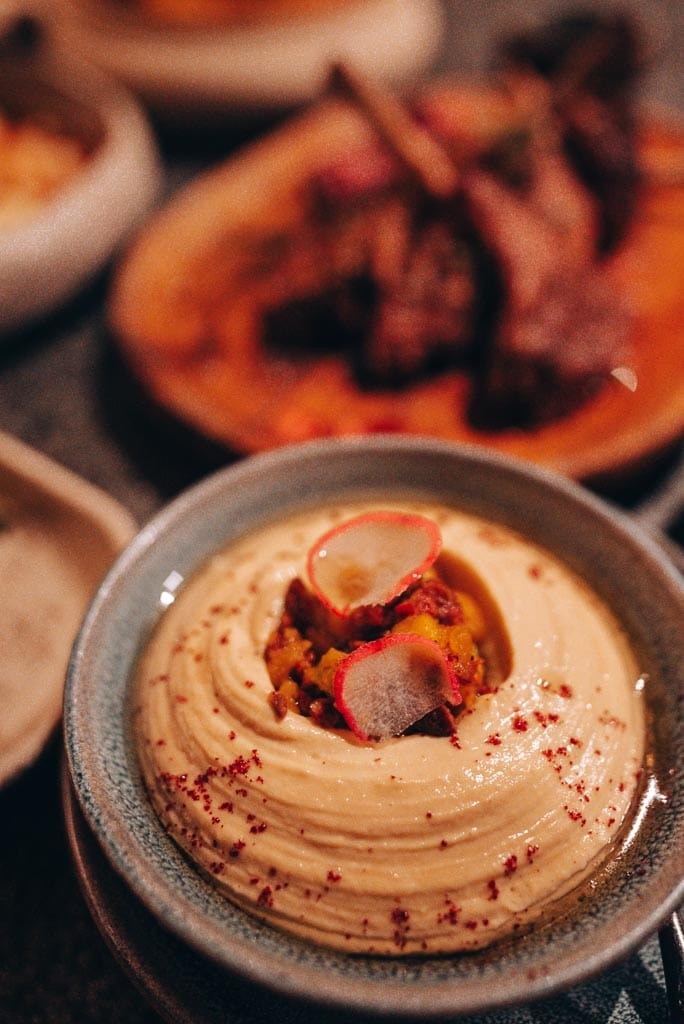
Breakfast, lunch and dinner, with the same restaurant and menu limits as half board, and drinks still extra. It’s worth it on remote islands where an à la carte lunch for two runs $100 before taxes and service, which adds up fast over a week. Skip it if you’d rather have a late breakfast and snack by the pool, because then you’re paying for a lunch you won’t eat.
If you don’t drink much, full board at a resort with good restaurants can end up the best value of the five. You’re covered for every meal and you’re not paying for a premium bar you’ll never use.






All-Inclusive
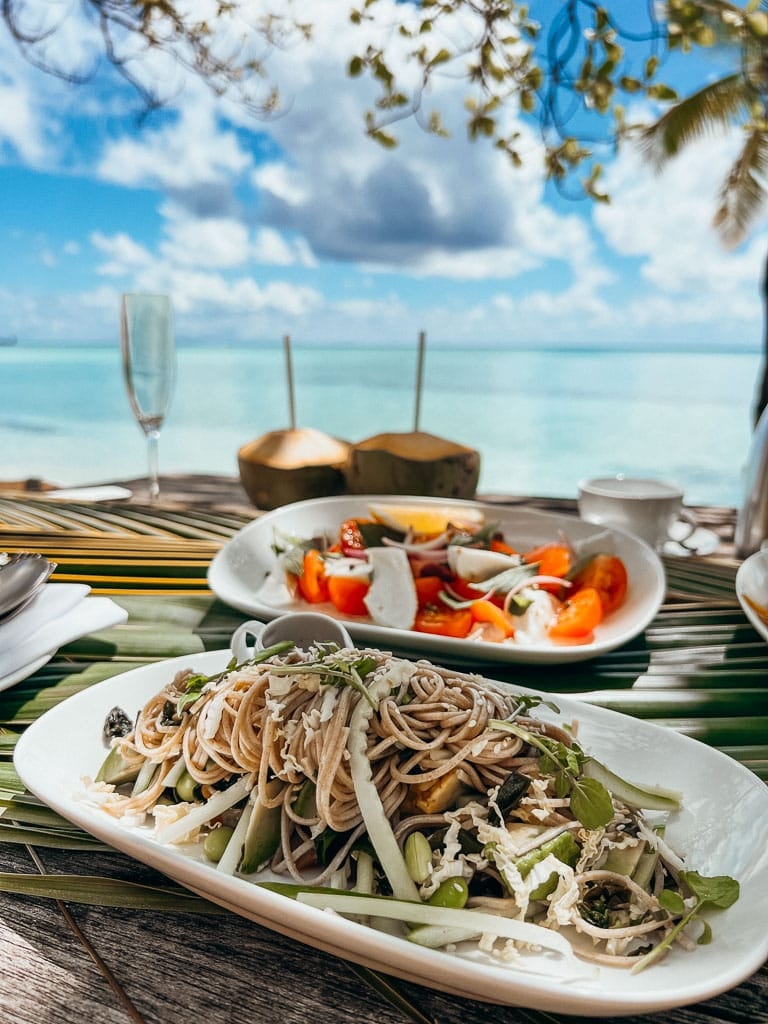
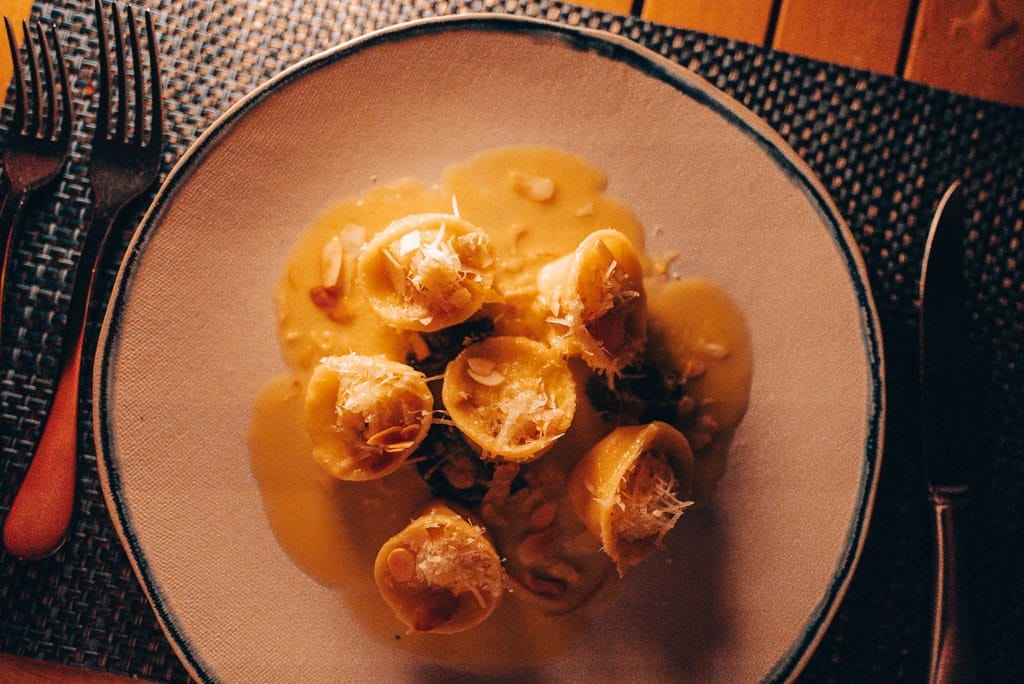
Full board plus drinks, which usually means wine and beer by the glass, soft drinks, mocktails and a selection of cocktails. How much you actually get depends on whether the resort also sells a premium plan.
If a resort only offers one plan and it’s all-inclusive (Hyatt Zilara in Cap Cana, Secrets, Maldives resorts like OZEN Life Maadhoo, OZEN Reserve Bolifushi and Atmosphere Kanifushi), it’s the real thing: every restaurant, every bar, and drink quality that matches the caliber of the resort. If a resort offers an all-inclusive plan and a premium plan above it, the base plan usually means the main or buffet restaurant and house pours, with the specialty restaurants and the good bottles sitting behind a supplement.
“All-inclusive” on a booking site tells you almost nothing on its own. Ask for the inclusions sheet and read it. Is “dine around” limited to once per stay? Is the minibar restocked daily or once at check-in? Are the spirits the ones you’d actually order?


Premium All-Inclusive
My go-to, and usually the best value of the five. Dine anywhere on the island, with premium spirits, wines and Champagne included, and often the minibar, snorkeling trips and a spa treatment on top. If you drink and you don’t want to be stuck at one or two restaurants, this is the one.
OZEN Life Maadhoo is my number one all-inclusive seller, and the inclusions are why. Speedboat transfers both ways are included, and most resorts charge $600 or more per person for that line alone. Dinner at M6M, the underwater restaurant, is included on stays of four nights or more; at other resorts that dinner is an $800 evening. Premium pours all day, twice-daily snorkeling trips, non-motorized watersports, and your choice of a one-tank dive or a spa treatment. The minibar is full and it’s included. You don’t open your wallet. Finolhu’s Premium All Inclusive is the other one I lean on: limitless à la carte dining, a weekly White Party and the best sandbar in the Maldives, which I wrote about in my Finolhu review.
The math usually favors premium all-inclusive once you add everything up. An $1,800 per night premium AI rate looks scary next to an $800 à la carte rate, until you add two à la carte meals a day, a few drinks each, a couple of snorkel trips and 25% in taxes and service charge. I ran that comparison in full in the Hidden Costs post, and the “cheaper” resort came out around $13,000 for five nights against $9,000 all-in.


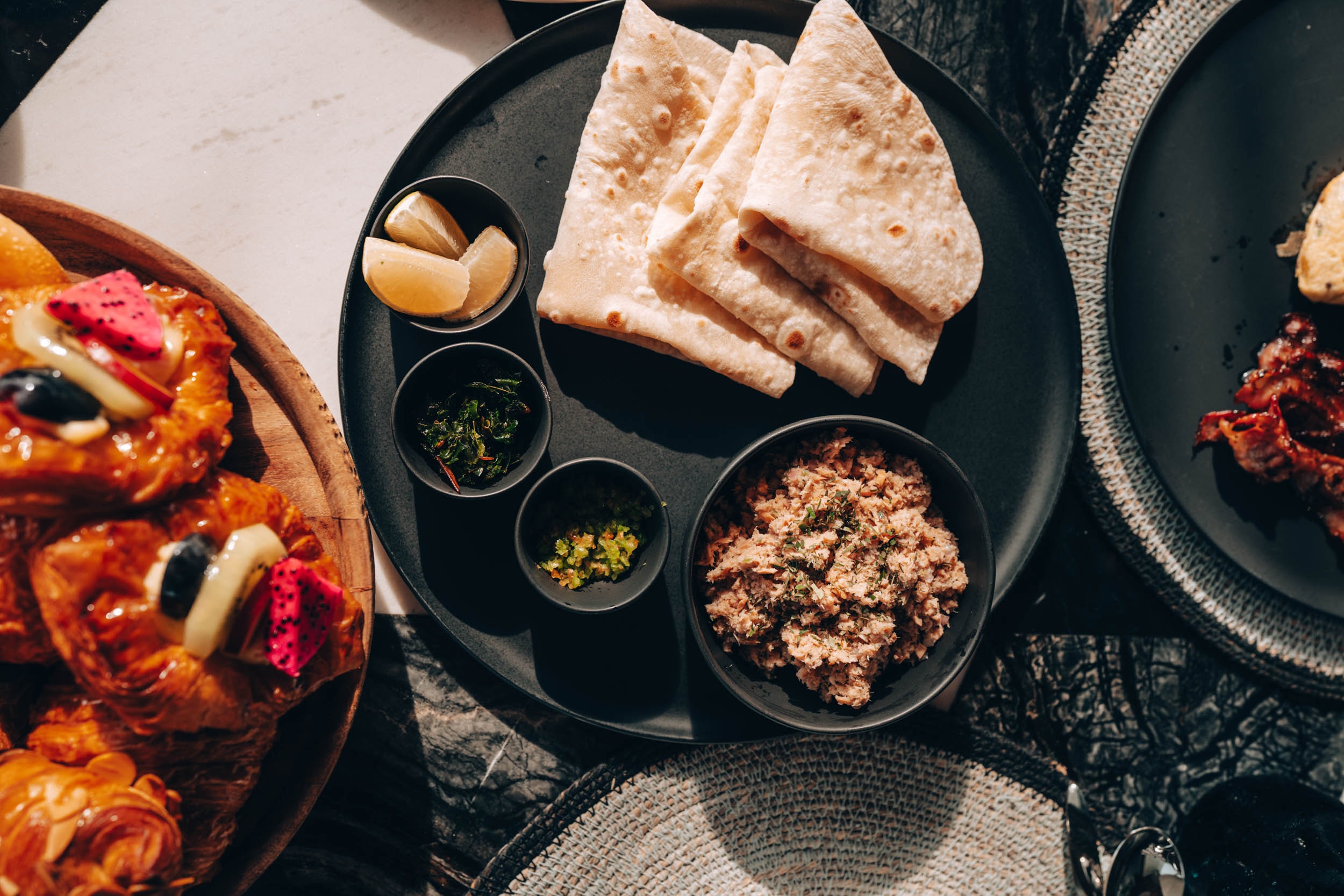
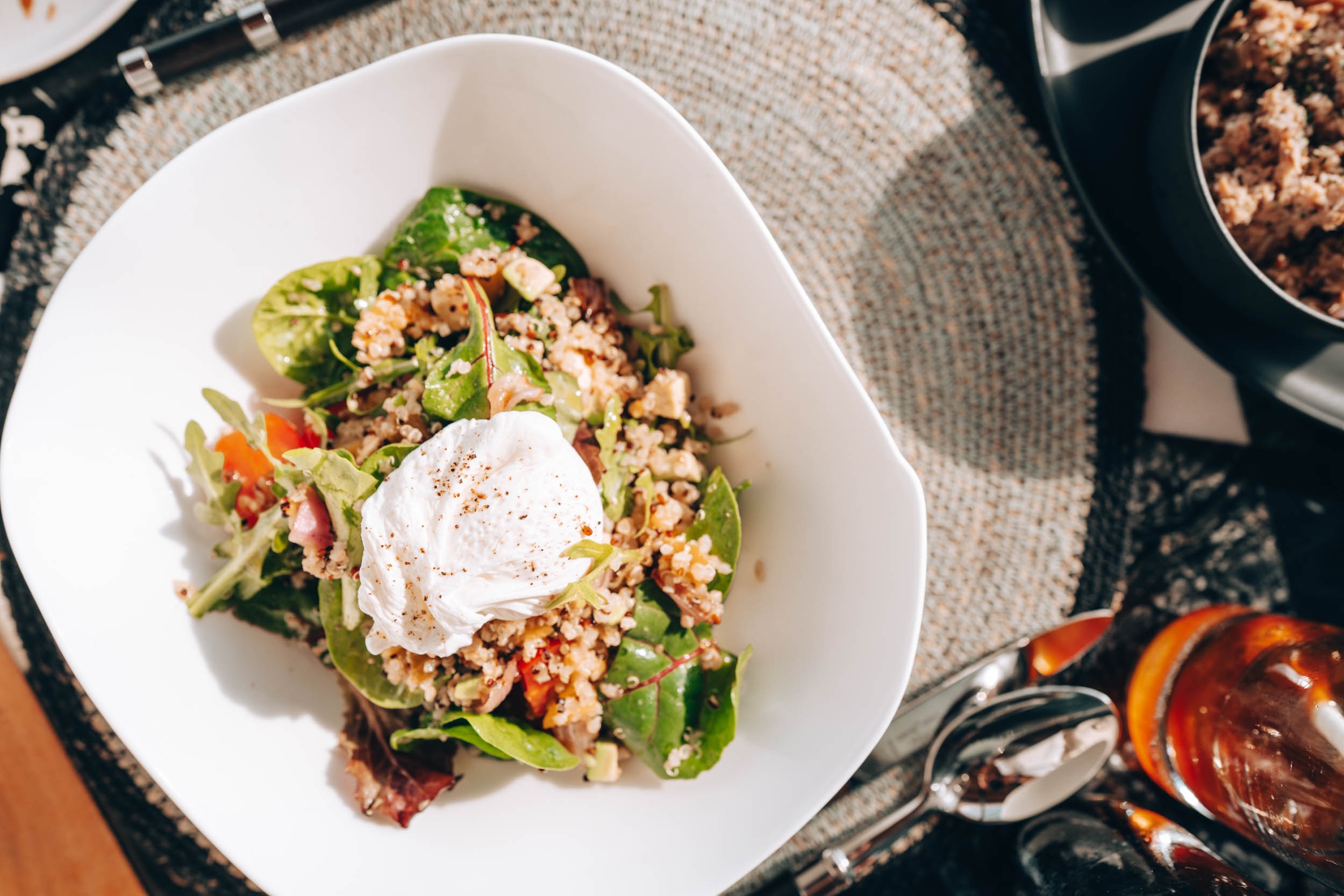
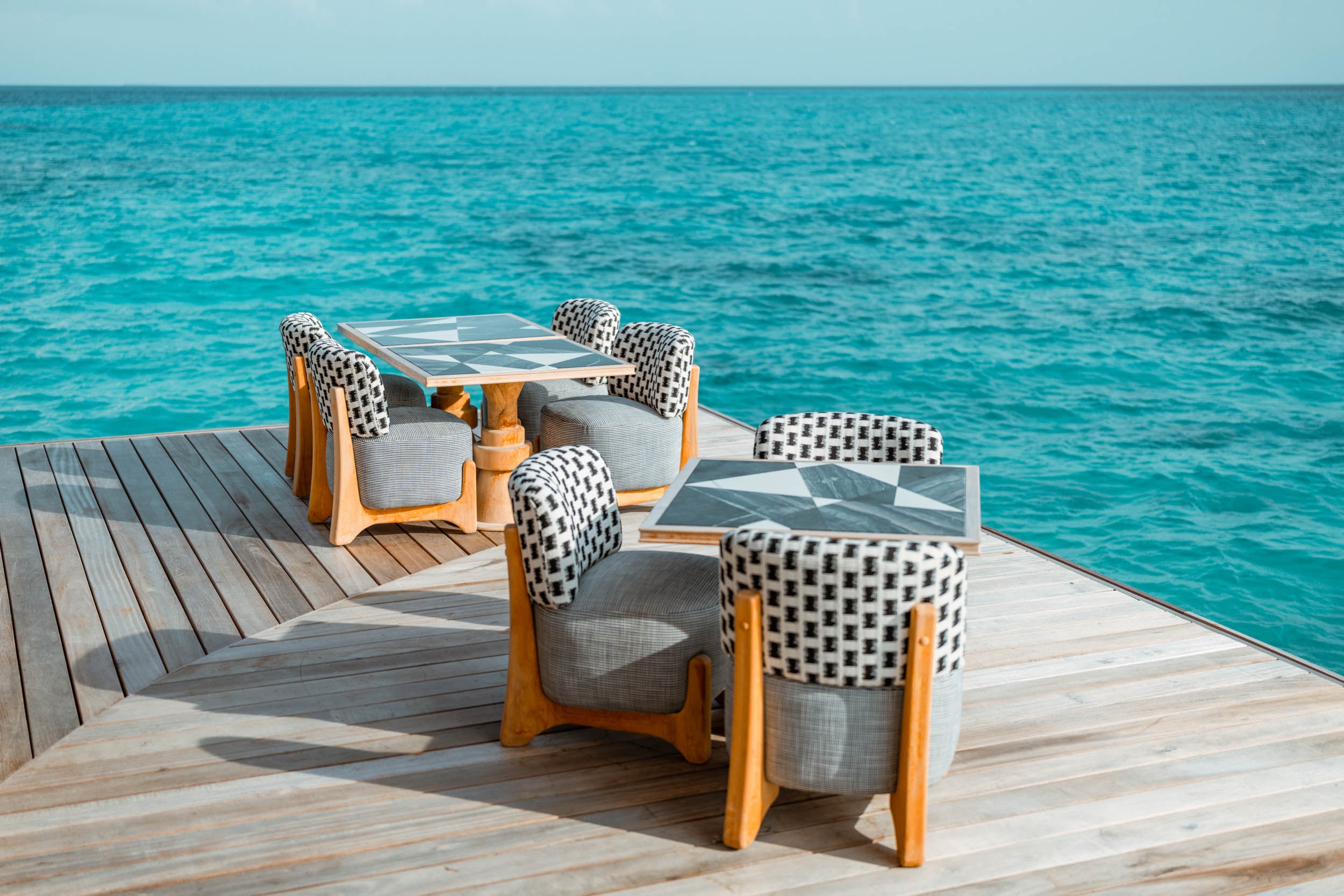
The fine print that catches people
These are the things I check on every inclusions sheet before I quote a plan.
Restaurant limits. “Dine around” sometimes means once per stay at each specialty restaurant, or one specialty dinner for the whole trip. Count how many nights you’re staying and how many included dinners that leaves you with.
Menu limits. Set three-course menus on half and full board are common. Some all-inclusive resorts also mark dishes with a supplement, so a plan that says “à la carte” can still have a lobster surcharge.
Drink tiers. House pours means the brands the resort picks, and in the Maldives a glass of wine off-plan runs $20 to $30 after taxes. If you care about what’s in the glass, you want the premium tier.
Water. Some resorts bottle their own and refill freely; others charge $10 to $15 for an imported bottle. Over a week in the heat, that’s not a small number.
Hours. A breakfast window of 7:30 to 9:30 is tough if you landed at midnight and your body thinks it’s 3 a.m. Check the times, especially on a plan that only includes one restaurant.
The one I wish more people looked at is the meal plan on a deal. A too-good-to-be-true rate with a vague meal plan is one of my red flags, because a cheap room on B&B at a remote resort is not a cheap trip. Pullman Maldives is a good reminder that even a generous premium plan has edges: everything’s included, then they charge $10 per person per day for bikes on an island where you need them.


How I pick a plan for a client
Start with how you eat and drink, not with the price gap between plans. Two people who don’t drink and like a late breakfast are often happiest on half board at a resort with a good main restaurant. A couple who want a cocktail at the pool, wine with dinner and a different restaurant every night will spend more on B&B than they’d ever spend on premium all-inclusive, and they’ll be watching the bill the whole trip.
Then look at the island. A remote natural island with a 45-minute seaplane and five restaurants makes the case for full board or better, because there’s nowhere else to eat. A resort near Malé with reasonable menu pricing gives you more room to go à la carte.
Then read the inclusions sheet for the specific plan at the specific resort, because the same label means something different at every property. This is the part I do for every client, and it’s the question I’d much rather answer before you book than after you see the folio.


If you’re looking at a resort and can’t tell which plan makes sense, send me the property and your dates and I’ll tell you which one works there. Booking through Voyager Guru costs you nothing extra.

Comments:
Post a comment
Thanks! Your comment is awaiting moderation and will appear once approved.